
Is Dryer Vent Cleaning Necessary?
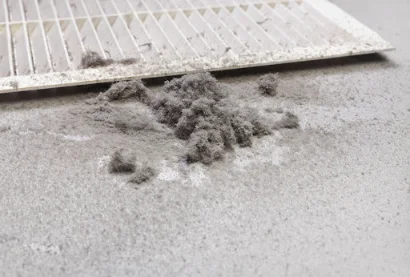
Dryer vent cleaning is not just about removing the lint you can see behind the appliance. The vent carries warm, moisture-laden air from the dryer to the exterior of the building, and lint can accumulate along that entire route. When airflow becomes restricted, drying performance can decline and the dryer may run longer to move the same amount of moisture out of the clothes.
Why the vent matters
The lint screen captures a large portion of loose fibers, but it does not capture everything. Fine lint can pass into the exhaust duct and settle at elbows, seams, long horizontal sections, vertical rises, and exterior terminations. A short, straight wall vent may stay clearer than a long route that passes through ceilings or upper floors, so the need for cleaning depends partly on the design of the system.
Cleaning behind the dryer is not the same as cleaning the vent
Vacuuming the transition hose and the first few feet of duct can help with visible lint, but it does not address buildup farther along the line. A professional dryer vent service works through the accessible exhaust path toward the exterior termination. The goal is to restore a clear route for exhaust air, not simply make the laundry area look cleaner.
Signs the dryer vent may need attention
Longer drying cycles are one of the most common clues. You may also notice weaker airflow at the outside termination, lint collecting around the vent hood, or a dryer that needs more than one cycle for loads that previously dried normally. These signs do not prove that lint is the only problem, but they justify checking the exhaust system.
Vent design affects maintenance
Dryer vents with several elbows, long runs, vertical sections, or roof terminations can accumulate lint in places that are not visible from the laundry room. Condominiums, townhomes, and upper-floor laundry areas often have longer routes than a first-floor dryer located next to an exterior wall. That is why a quote may depend on vent length, termination height, and access rather than on the dryer itself.
Cleaning cannot fix damaged ductwork
If the exhaust duct is crushed, disconnected, leaking, or poorly routed, removing lint will not correct the mechanical problem. A damaged transition hose may need replacement. A separated rigid duct may need to be reconnected. A blocked or broken exterior termination may need repair. Cleaning and repair should be treated as separate services so the homeowner knows what is actually being corrected.
How professional dryer vent cleaning works
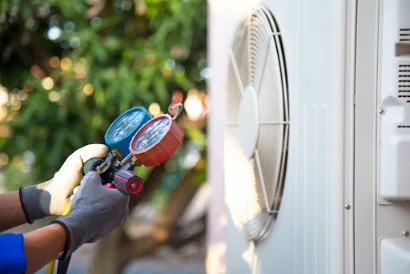
The technician identifies the route, gains access at the dryer connection, and uses tools suited to the duct configuration. Rotary brushes, flexible rods, air tools, or vacuum equipment may be used depending on the system. The exterior termination is also important because lint can collect behind louvers, screens, or guards. When practical, airflow should be checked before and after service to confirm that the exhaust path is moving air more freely.
How often is cleaning necessary?
There is no single interval that fits every home. A household that uses the dryer frequently, has a long vent route, or has several elbows may need service sooner than a lightly used dryer with a short straight run. The better approach is to pay attention to drying performance, airflow, vent design, and maintenance history rather than relying only on a fixed calendar.
Multi-unit properties need coordination
In condominiums, apartments, and HOA communities, dryer vents may terminate on upper walls or roofs and may follow similar routes through many units. Coordinated cleaning can be more efficient when residents are scheduled together. Property managers should confirm unit access, termination locations, and whether individual residents need time windows before the service day.
What homeowners can do between cleanings
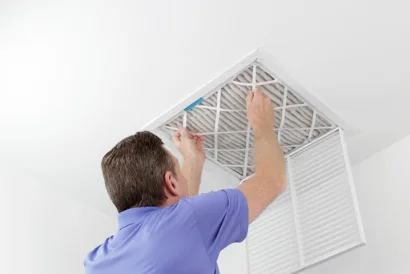
Clean the dryer’s lint screen regularly and make sure the transition connection behind the dryer is not crushed when the appliance is pushed back into place. Check the exterior termination periodically for visible lint or a flap that is not opening normally. Avoid adding screens that can trap lint at the outlet. If the dryer suddenly takes much longer to dry, do not assume the appliance itself is the only possible cause.
When to request an inspection instead of a cleaning
If you suspect the vent is disconnected inside a wall or ceiling, water is entering the duct, the termination is damaged, or the route is inaccessible, an inspection may be more appropriate than a standard cleaning appointment. Photos of the dryer connection and exterior termination can help determine the next step before a technician arrives.
Bottom line
Dryer vent cleaning is necessary when lint buildup is restricting the exhaust path or when the system’s maintenance history and performance indicate that it should be serviced. The value comes from cleaning the accessible vent route, not just the area behind the machine. Duct Pro Cleaning provides dryer vent cleaning and selected dryer duct repair in Pennsylvania and New Jersey. Request a quote through DuctProCleaning.com or call 917-941-2625.
Learn more about our dryer vent cleaning services in Pennsylvania and New Jersey.