How to Tell If Chimney Needs Cleaning?
A chimney rarely sends one perfect warning that says, “clean me now.” More often, homeowners notice a combination of clues: visible soot, an uncertain service history, debris in the firebox, or a fireplace that has been used repeatedly without professional maintenance. The right question is not whether every chimney needs cleaning on the same schedule, but whether your specific system shows signs that inspection or cleaning is due.
Start with the chimney’s service history
If you recently bought the home and do not know when the chimney was last serviced, that uncertainty alone is a good reason to have the system checked before relying on it heavily. The same applies when a fireplace has been used season after season without documentation of maintenance. Chimney condition depends on the appliance, fuel, frequency of use, flue design, and how the system drafts, so a calendar alone cannot tell the whole story.
Look for visible soot or deposits
Dark buildup inside the firebox, smoke chamber, or accessible flue can indicate that combustion byproducts have accumulated. With wood-burning fireplaces, some deposit formation is expected during normal use, but heavier buildup deserves attention. Do not try to judge the entire chimney from only the first few inches you can see from the room; deposits can be uneven and may be heavier farther up the flue.
Pay attention to debris in the fireplace
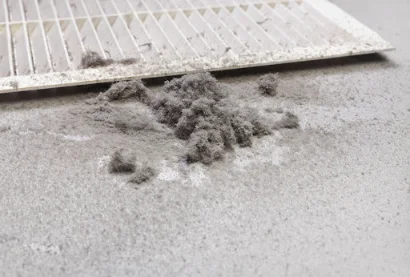
Loose flakes, bits of masonry, nesting material, leaves, or other debris can fall into the firebox or collect around a damper. Debris does not always mean the flue simply needs sweeping. It can also point to a missing cap, animal activity, deterioration, or another condition that should be evaluated separately. A professional service visit can distinguish ordinary cleaning from a repair issue.
Changes in smoke movement matter
If smoke behaves differently than it used to, enters the room, or does not appear to move up the chimney normally, stop and investigate rather than assuming more cleaning will automatically solve the problem. Draft can be affected by blockage, flue condition, weather, house pressure, appliance setup, or other factors. Cleaning may be part of the solution when soot or debris is restricting the path, but smoke problems should not be reduced to a single cause.
Odors can be a clue, but not a diagnosis
A strong smoky or sooty odor around the fireplace can justify a closer look, particularly after a period of nonuse. Odor alone does not prove that sweeping is the only service needed. Moisture, debris, animal entry, or other chimney conditions can also contribute. The useful next step is to identify the source rather than masking the smell.
Wood-burning fireplaces need different attention than gas systems
Wood combustion can create soot and creosote deposits that require mechanical removal when they accumulate. Gas appliances generally produce different deposits, but their venting systems still need to remain clear and correctly connected. A gas log set installed in a masonry fireplace is also different from a sealed direct-vent gas fireplace. Before recommending cleaning, the technician should identify what appliance is actually using the chimney.
Do not confuse cleaning with repair
A sweep can remove soot and loose debris from accessible flue surfaces. It cannot repair a damaged liner, replace a missing cap, correct failed flashing, rebuild masonry, or fix an appliance problem. If a service visit reveals a physical defect, that should be explained as a separate repair condition. This distinction helps homeowners avoid paying for repeated cleaning when the real problem is mechanical or structural.
When should you schedule service?
Consider professional chimney service when the maintenance history is unknown, after regular fireplace use, when visible deposits or debris are present, after animal entry, or before putting an idle system back into regular use. Homes with multiple fireplaces or heating appliances may have more than one flue, so make sure every system you want addressed is identified when you request a quote.
What a professional chimney cleaning visit should include
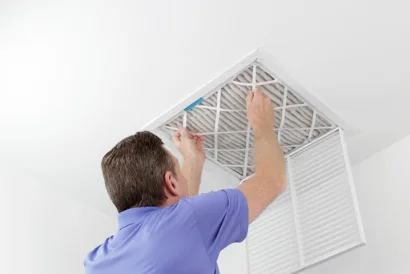
The technician should first identify the chimney and appliance, protect the work area, and use brushes or rotary tools appropriate for the flue. Vacuum equipment is commonly used to control loosened soot and debris. Access may be from the fireplace, appliance connection, roof, or a combination depending on the system. If visible conditions suggest that the issue is more than routine buildup, the customer should be told what was observed and what follow-up may be appropriate.
Before the appointment
Clear the area around the fireplace or heating appliance and provide access to the mechanical room if the chimney serves a boiler or furnace. Let the company know about multiple fireplaces, recent renovations, animal activity, or any unusual smoke or odor issues. Exterior photos are useful when chimney height, roof access, or a damaged cap may affect the work.
Bottom line
The best way to tell whether a chimney needs cleaning is to combine visible clues with the system’s use and maintenance history. Soot, debris, unknown service history, repeated use, and changes in performance are all reasons to have the chimney evaluated. Duct Pro Cleaning provides chimney sweeping, inspection-related service, caps, bird guards, and selected repairs in our Pennsylvania and New Jersey service areas. Call 917-941-2625 or request a quote through DuctProCleaning.com.
Learn more about our chimney cleaning services in Pennsylvania and New Jersey.