
Can Air Duct Cleaning Cause Damage?
Air duct cleaning should not damage sound, properly installed ductwork when the technician uses appropriate tools and understands the system. However, ducts are not all built the same. Rigid sheet metal, flexible duct, duct board and older or deteriorated materials can tolerate different levels of agitation. The risk comes from using the wrong method, excessive force or cleaning a system that is already physically compromised.
Rigid metal duct is generally durable
Sheet-metal trunks and branches can usually tolerate professional rods, air whips and compressed-air agitation when those tools are used correctly. Access points may be created in the trunk for cleaning equipment and should be properly closed after the service.
Flexible duct requires more care
Flex duct has an inner liner supported by a wire helix and covered by insulation and an outer jacket. Aggressive brushes or sharp tools can damage the liner, especially when the material is old, crushed or already torn. A technician should identify flex sections and adjust the method accordingly.
Duct board and lined ducts are different
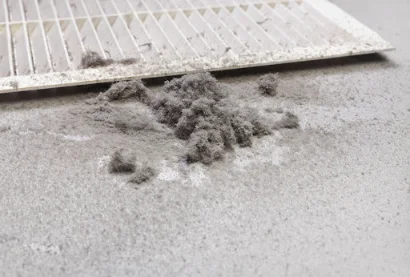
Some systems contain fiberglass duct board or internally lined metal. These surfaces should not be attacked with the same tools used on heavy sheet metal. The condition of the material matters. If lining is deteriorated, cleaning may not be the right first step.
Existing damage can be discovered during cleaning
A loose branch, disconnected joint or deteriorated boot may already be present before the appointment. Airflow and agitation can reveal the defect. That does not automatically mean the cleaning caused it, but the technician should document and explain what was found.
Register removal can damage finishes if handled carelessly
Painted grilles, brittle screws and newly finished walls require care. A register stuck by layers of paint should not simply be forced out. Let the technician know about delicate surfaces, recent painting or custom finishes before work begins.
Negative-air collection helps control debris
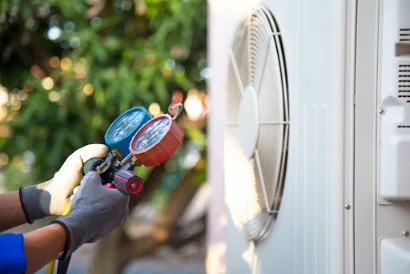
Duct Pro Cleaning connects a negative-air machine to the main trunk and works accessible branches while the system is under suction. Compressed air, rods and whips are used to loosen material and move it toward the collection point. The process should be matched to the type and condition of ductwork rather than performed with one aggressive tool everywhere.
When cleaning should stop and repair should begin
If a duct is badly crushed, disconnected, wet, deteriorated or contaminated by a condition that requires remediation, continuing to clean it may not be appropriate. A mechanical defect should be addressed separately. Cleaning cannot restore a torn flex liner or rebuild a collapsed branch.
How homeowners can reduce risk
Tell the company about known flex duct, recent renovations, inaccessible areas or previous duct repairs. Ask what equipment will be used and whether the main trunk will be placed under negative pressure. A reputable service should be able to explain how its method changes for different materials.
Can cleaning damage HVAC equipment?
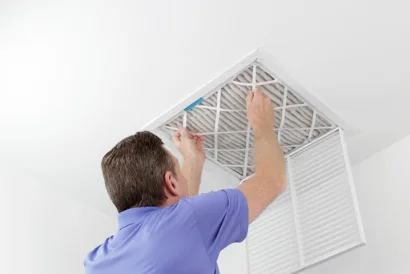
Technicians should understand where the furnace, air handler, coils, filters and dampers are located and should isolate or protect components as appropriate. Duct cleaning is not the same as HVAC equipment repair or coil cleaning, and tools should not be pushed blindly into mechanical components.
What if the ducts are very old?
Age alone does not determine whether ducts can be cleaned safely, but deteriorated materials deserve closer inspection. Brittle flex duct, loose insulation, damaged boots or heavily corroded sections may need repair or replacement before aggressive cleaning is considered.
Bottom line
Air duct cleaning can cause damage when inappropriate tools or excessive force are used, but professional cleaning should be adapted to the duct material and condition. Sound sheet-metal ductwork, flex duct and lined systems require different handling. Duct Pro Cleaning uses negative-air collection and professional agitation tools while adjusting the approach to the property. Request a quote through DuctProCleaning.com or call 917-941-2625.
Learn more about our air duct cleaning services in Pennsylvania and New Jersey.