
Do Gas Fireplace Chimneys Need Cleaning?
Gas fireplaces generally do not create the same kind of creosote buildup associated with wood-burning fires, but that does not mean every gas fireplace chimney or vent can be ignored indefinitely. The right maintenance depends on the type of gas fireplace, how it vents, and whether the appliance uses an existing masonry chimney or a factory-built direct-vent system.
First identify what type of gas fireplace you have
A gas log set installed in a traditional masonry fireplace is different from a sealed direct-vent gas fireplace. Gas inserts can also use liners routed through an existing chimney. These systems move combustion gases in different ways, so the appropriate cleaning and inspection method depends on the installation. Before scheduling chimney service, tell the company what appliance is installed and, if possible, provide photos of the fireplace and exterior termination.
Gas does not eliminate all venting concerns
Even when there is little soot, a venting path can still be affected by dust, debris, insects, animal nesting, corrosion, moisture, deteriorated components, or a blockage near the termination. A masonry chimney that once served a wood fireplace may also contain older deposits or debris that are unrelated to the current gas appliance.
When cleaning may actually be needed
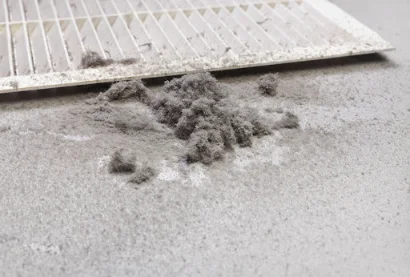
Cleaning is appropriate when soot, debris, nesting material, or other deposits are present in areas that can be safely serviced. Some gas appliances can produce visible soot when combustion or venting is not functioning correctly. In that situation, simply cleaning the soot without identifying why it formed would be incomplete. The appliance and venting condition should be evaluated so the underlying cause is not overlooked.
Direct-vent systems are not traditional chimneys
Many modern gas fireplaces use a sealed direct-vent system that brings combustion air from outdoors and exhausts through a dedicated vent. These installations may terminate through a wall or roof and do not require the same sweeping method as a masonry wood-burning chimney. They still need clear terminations and intact vent components, but routine service should follow the appliance and vent design rather than a generic chimney-cleaning procedure.
Gas inserts in masonry fireplaces
A gas insert can vent through a liner installed inside an existing masonry chimney. The liner and appliance connection should remain intact and unobstructed. The surrounding chimney may also have caps, flashing, masonry, or moisture-related conditions that are separate from the gas appliance itself. Cleaning the liner does not repair those exterior components.
Signs that justify a service call
Contact a qualified service provider if you see visible soot, notice debris at the fireplace or termination, find evidence of animal activity, or have an unknown maintenance history. Unusual odors, changes in the appearance of the flame, or signs that the appliance is not venting normally should not be treated as a simple cleaning question. Gas appliances involve combustion and should be serviced according to the appliance type and manufacturer requirements.
Chimney caps and exterior protection
A cap or approved termination component helps protect the opening from weather and debris. On masonry chimneys, a damaged or missing cap may allow water, leaves, or animals into the structure. On direct-vent appliances, the factory-designed termination should not be altered with an improvised screen or cover. If an exterior component is damaged, replacement should match the venting system rather than being selected as a universal accessory.
Cleaning and appliance service are different
Chimney sweeping focuses on the venting path and accessible deposits. Gas appliance service may involve burners, controls, ignition components, combustion setup, or manufacturer-specific maintenance. A chimney-cleaning company should not present a sweep as a substitute for appliance service when the problem is clearly with the gas unit itself.
What to tell the company before scheduling
Let the company know whether you have gas logs, an insert, a direct-vent fireplace, or another gas appliance. Photos of the fireplace, nameplate, exterior termination, and chimney can make the system easier to identify. Also mention whether the fireplace was converted from wood to gas and whether you know when the chimney or vent was last serviced.
Can a gas fireplace share a chimney with another appliance?
Some homes have multiple flues within the same chimney structure, while others have separate venting systems for different appliances. Do not assume that servicing one fireplace means every flue in the chimney has been addressed. The technician should identify which appliance uses which venting path before work begins.
Bottom line
Gas fireplaces usually produce less soot than wood-burning fireplaces, but their venting systems still need to remain clear, intact, and appropriate for the appliance. Cleaning may be needed when debris, soot, or older deposits are present, while other conditions call for inspection or appliance service instead. Duct Pro Cleaning provides chimney sweeping, inspection-related work, caps, bird guards, and selected chimney repairs in Pennsylvania and New Jersey. Call 917-941-2625 or request a quote through DuctProCleaning.com.
Learn more about our chimney cleaning services in Pennsylvania and New Jersey.